Most people don't choose how they breathe while they're asleep — it just happens. But nasal breathing and mouth breathing are genuinely different processes with different effects on your night, and understanding the gap between them makes it a lot easier to see why it's worth paying attention to.
The basic difference
Nasal breathing routes air through your nose, where it's filtered, warmed, and humidified before reaching your lungs. Mouth breathing skips all of that — air goes straight from the open air into your throat, largely unfiltered and at room temperature. Physically, they're two different pathways doing two very different jobs.
What nasal breathing does for you
Beyond filtering and humidifying, nasal breathing tends to be slower and steadier, which is associated with calmer, more settled sleep. Your nasal passages also produce a small amount of nitric oxide, a gas that's carried into the lungs with each breath and is thought to support how efficiently oxygen is taken up. None of this happens when the mouth takes over.
What mouth breathing does instead
When the mouth falls open during sleep, air moves faster and less efficiently. This is a common reason people wake up with a dry mouth or sore throat, and it also increases the chance of snoring — the faster airflow makes the soft tissue at the back of the throat more likely to vibrate as air rushes past it.
Which one you're actually doing
Most people have no idea which one they default to, since it happens while they're unconscious. The tell-tale signs of mouth breathing are a dry mouth or throat on waking, morning congestion, and snoring reported by a partner. If none of those sound familiar, there's a good chance you're already breathing through your nose most of the night.
Why the gap matters more overnight than during the day
During the day, briefly breathing through your mouth — mid-conversation, or after exercise — isn't something to worry about; your body switches between the two constantly and both work fine in short bursts. Overnight is different, because you're breathing continuously for seven or eight hours without any conscious control over which pathway you're using. A pattern that would be negligible over a few minutes becomes far more significant repeated hundreds of times across a full night's sleep, which is why the nasal-versus-mouth distinction gets so much more attention in the context of sleep specifically than it does for daytime breathing.
How to shift the balance back toward your nose
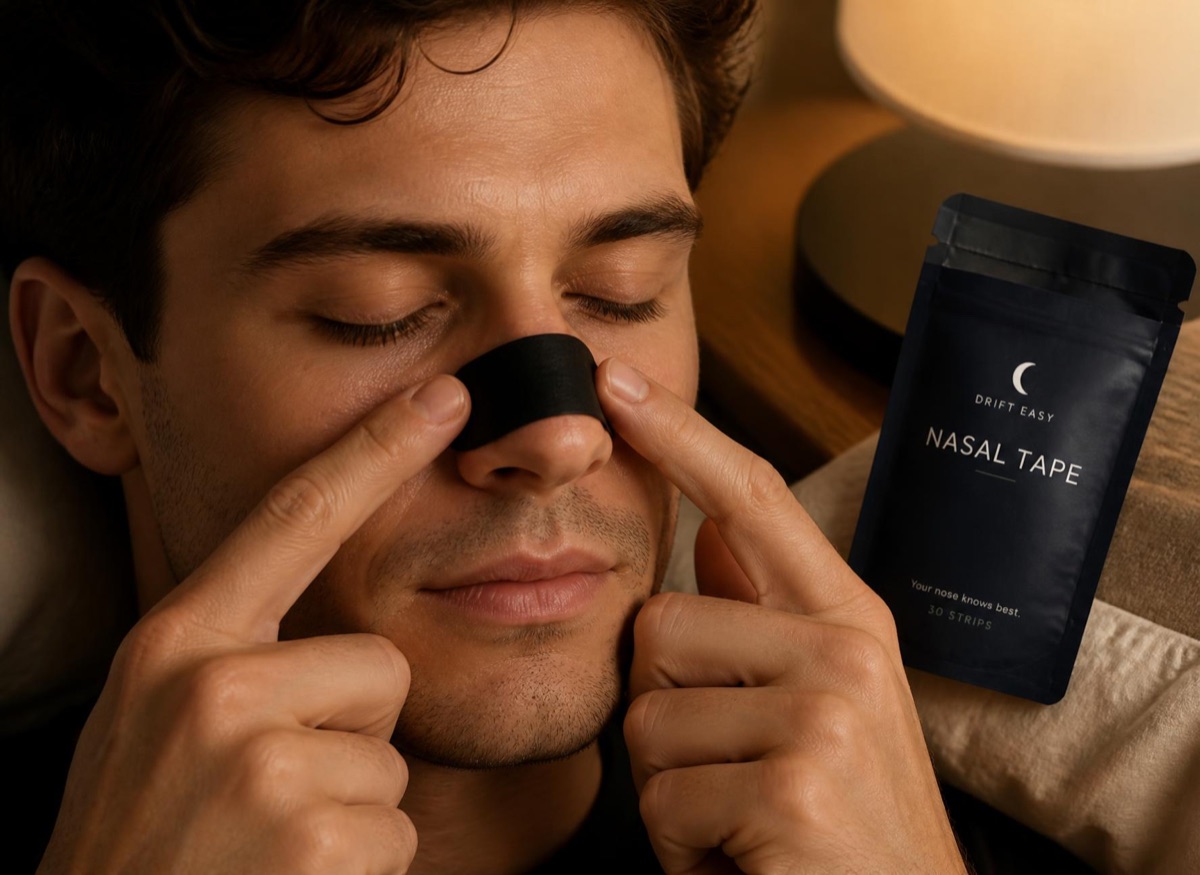
If mouth breathing sounds like your default, the shift usually starts with addressing why — often a blocked or tight nose, sometimes just habit. Nose Tape can help open the nasal passages physically, while Mouth Tape gently encourages the lips to stay closed so nasal breathing becomes the easier option for your body to fall into.
What changing it can feel like
People who successfully shift back toward nasal breathing overnight often describe fairly ordinary-sounding improvements rather than anything dramatic — less of a dry mouth in the morning, a partner mentioning that the snoring has quietened down, or just a general sense of feeling more rested without being able to pin down exactly why. That's usually a good sign: it suggests the change is working quietly in the background, doing its job without needing to be dramatic to be worthwhile. Give it a couple of weeks of consistent nights before judging whether it's made a difference.
For the fuller physiological picture, including exactly what your nose does that your mouth can't, The Science goes into more depth on why this distinction matters so much for sleep quality.